Achieve Upper Eyelid Rejuvenation With Weber Facial Plastic Surgery

The eyelid is one of the thinnest and most delicate areas of the face, and small surgical miscalculations here are highly visible. Dr. Stephen Weber has devoted his entire career to facial and neck surgery, with fellowship training at the University of Michigan focused on this exact level of precision.

That focus is why patients seeking upper eyelid surgery in Denver and Lone Tree travel to Weber Facial Plastic Surgery. Dr. Weber's approach favors conservative, natural-looking correction over dramatic changes, preserving the eye's natural shape while removing the heaviness that makes patients look tired or older than they feel.

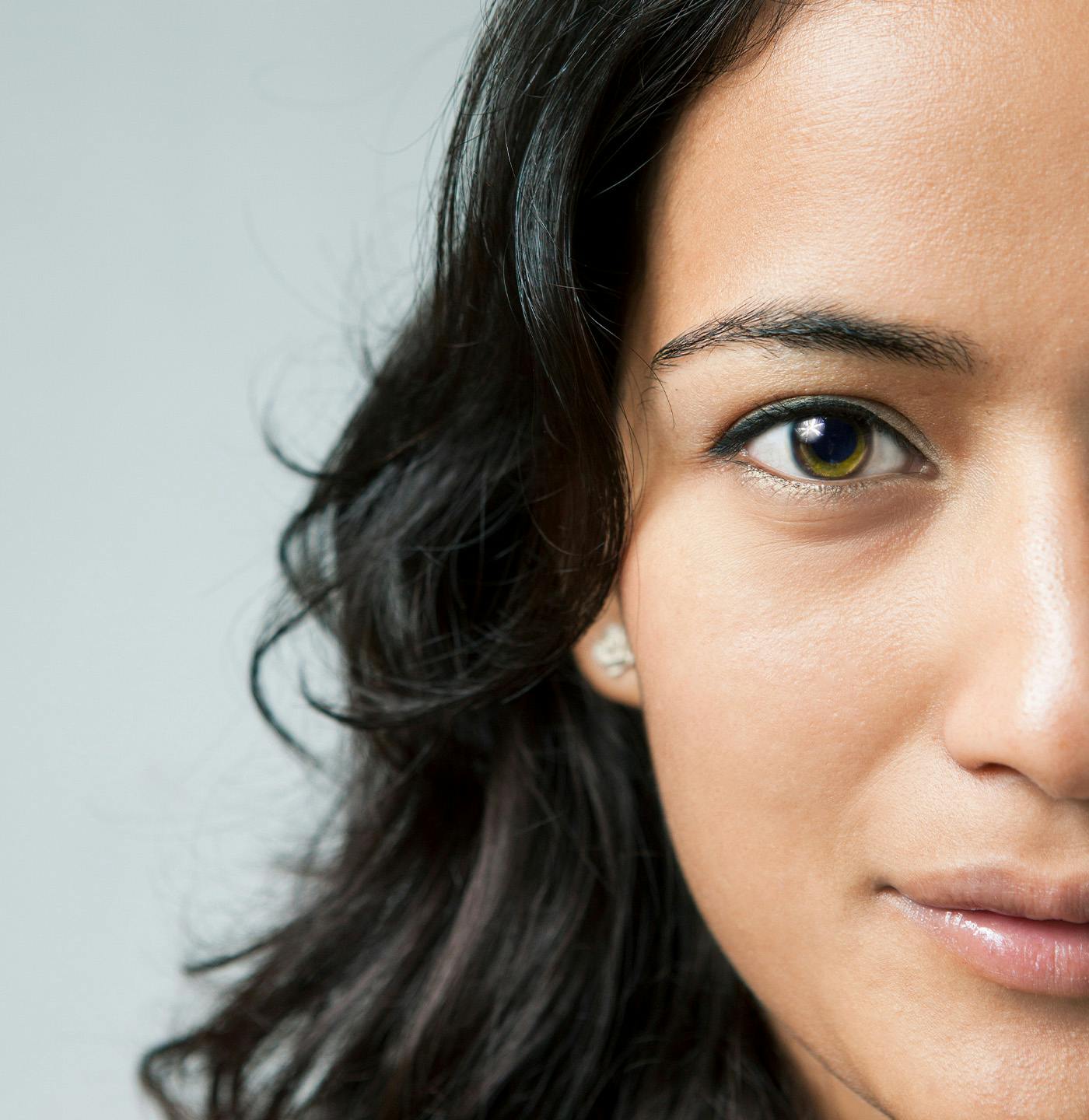
Woman's eye

What Is Upper Eyelid Surgery?

Upper eyelid surgery, also called upper blepharoplasty, removes excess skin, muscle and sometimes fat from the upper eyelid. Eyelid skin naturally stretches over time, and when this happens on the upper lid it can limit peripheral vision as well as create a hooded, tired appearance.

Dr. Weber makes a precise incision along the natural crease of the upper eyelid, allowing the resulting scar to remain concealed once healed. Excess tissue is removed and the remaining skin is redraped for a smoother, more alert eye contour.

Upper Eyelid Surgery Benefits

  • A brighter, more rested and alert appearance
  • Reduced heaviness or hooding over the eyes
  • Improved peripheral vision when excess skin has been obstructing sight
  • Long-lasting results with minimal, well-concealed scarring
  • A refreshed look that still preserves natural expression
Banner media

Are You a Good Candidate for Upper Eyelid Surgery?

Strong candidates for upper eyelid surgery in Denver have noticeable excess skin or hooding on the upper lids, good overall eye health and realistic expectations for the outcome.

Common signs that a patient may be a good candidate include:

  • Hooded or heavy-looking upper eyelids that make the eyes appear tired
  • Excess skin that folds over the natural crease
  • Skin resting on the eyelashes or affecting makeup application
  • Difficulty with peripheral vision, especially in the upper and outer field of view
  • A desire for a more rested, alert appearance without altering natural eye shape

Some patients pursue the procedure purely for appearance, while others seek it because sagging skin has begun to interfere with their field of vision. A consultation with Dr. Weber will determine whether upper eyelid surgery alone addresses a patient's concerns or whether a complementary procedure would improve results.

Patients with vision impairment are typically asked to complete a formal visual field test before surgery. This documentation not only confirms the functional benefit of surgery but is often required to determine whether the procedure may be eligible for insurance coverage.

Doctor media

Why Denver Trusts Dr. Stephen Weber for Upper Eyelid Surgery

Dr. Weber has performed more than 10,000 facial procedures over more than 17 years in private practice, with eyelid surgery among his most frequently requested treatments. He is a Castle Connolly Top Doctor and a nationally recognized trainer for injectable and laser treatment providers, credentials that reflect both hands-on surgical skill and standing among his peers. Many patients also appreciate that upper eyelid surgery can often be performed in-office without general anesthesia, which may reduce recovery time, cost and overall surgical risk for qualified candidates. Because Dr. Weber's practice is devoted entirely to the face and neck, he sees eyelid concerns in the context of the whole upper face rather than in isolation. A brow that has begun to descend, for example, can mimic or worsen the appearance of upper eyelid hooding, and identifying which structure is actually responsible for a patient's concern is central to planning the right procedure.

What to Expect Before, During, and After

Consultation and Cost 

Dr. Weber begins every consultation with a thorough evaluation of eyelid position, skin quality and, when relevant, visual field testing to determine whether the concern is cosmetic, functional or both. Cost varies based on the extent of correction needed and whether the procedure is combined with a brow lift or lower eyelid treatment.

Procedure

Working through an incision hidden in the natural eyelid crease, Dr. Weber removes excess skin and, when appropriate, a conservative amount of fat before closing the incision with fine sutures. The procedure is typically performed on an outpatient basis under local anesthesia with sedation.

Recovery and Results

Bruising and swelling are most noticeable in the first week and generally resolve within ten to fourteen days. Most patients return to normal, non-strenuous activity within a week, and the final, refined eyelid contour becomes fully apparent as residual swelling subsides over the following weeks.

Background media

Related Procedures for Facial Balance

Upper eyelid surgery is often confused with lower eyelid surgery, which addresses under-eye puffiness and bags rather than hooding above the eye. Patients whose heaviness stems from a low or sagging brow, rather than the eyelid skin itself, may benefit more from a brow lift, which Dr. Weber can perform alone or in combination with upper eyelid surgery for a more complete rejuvenation. Some patients also ask whether BOTOX could address their concerns instead of surgery. BOTOX can soften dynamic lines around the eyes, but it does not remove excess skin, so it is not a substitute for upper eyelid surgery when hooding or true skin excess is the underlying issue. Dr. Weber discusses which option, or combination of options, fits each patient's anatomy during consultation.

Hand holding eyes cutout

Ready to Learn More?

The eyelid is thin enough that a millimeter of miscalculation shows up in the mirror for years, which is why Dr. Weber approaches upper blepharoplasty with the same precision he brought to fellowship training focused entirely on the face and neck. Patients notice the difference in results that look rested rather than reshaped.

If heaviness over your eyes has started affecting your vision, or you're simply tired of looking more tired than you feel, a consultation will show you exactly how much correction your anatomy needs, and how much is better left alone. Contact us today to book your consultation.

Upper Eyelid Surgery FAQs

Disclaimer: This information is provided for educational purposes only and does not replace a consultation with a board-certified plastic surgeon. Outcomes, risks and suitability vary from patient to patient.

How long does upper eyelid surgery take?

The procedure typically takes under one hour, depending on whether it is combined with another procedure.

Is upper eyelid surgery painful?

Most patients describe mild discomfort, tightness or pressure rather than significant pain, which is well managed with over-the-counter or prescribed medication.

Will upper eyelid surgery leave a visible scar?

The incision is placed within the natural eyelid crease, so any resulting scar is typically well concealed once healed.

What are the risks of upper eyelid surgery?

Potential risks include bleeding, infection, dry or irritated eyes, asymmetry and, rarely, changes in vision. Dr. Weber reviews individual risk factors during the pre-operative consultation.

Will insurance cover upper eyelid surgery?

Insurance may cover upper eyelid surgery when documented visual field testing shows the excess skin is obstructing vision. Purely cosmetic correction is generally an out-of-pocket expense.

Can upper eyelid surgery be combined with other procedures?

Yes. Upper eyelid surgery is frequently combined with a brow lift, lower eyelid surgery or laser skin resurfacing for patients seeking more comprehensive rejuvenation around the eyes in a single recovery period.

Logo media
Contact us media
Accessibility: If you are vision-impaired or have some other impairment covered by the Americans with Disabilities Act or a similar law, and you wish to discuss potential accommodations related to using this website, please contact our Accessibility Manager at 303-792-2224.
Contact Us